Walk-ins Welcome!


Dentist in Bingham Farms, MI
Welcome to Gentle, Caring Dentistry

We’re a family-operated practice dedicated to making dental care comfortable, convenient, and accessible for everyone. From the moment you walk in, our goal is to create a welcoming environment where you and your family feel at ease and confident that you’re in caring, capable hands.
Our patients don’t just see better results—they experience dentistry that’s faster, more comfortable, and built to last.
We proudly serve Bloomfield Township, Bloomfield Hills, Birmingham, Beverly Hills, Southfield, Farmington, Royal Oak, Lathrup Village, Franklin, Sylvan Lake, and the greater Detroit area.


Comprehensive Dental Services for Every Smile
At Detroit Dentist Your Smile Design Centre in Bingham Farms, we strive to create a place where you and your family are comfortable, at ease, and confident that your needs are taken care of. With a wide range of services, nearly all treatments can be provided under one roof, and often in one visit. A total solutions provider.
View All Services


Preventive Care
Prevention is key to lifelong oral health. With thorough exams and gentle cleanings, we keep your smile at its best.
Learn More

Dental Implants
Who are suffering from chipped, broken, lost, or missing teeth, permanent dental implants can restore a strong smile.
Learn More

Smile Makeover
It's time to stop hiding your smile because of crooked, crowded or misaligned teeth.
Learn More

Dentures
Custom-crafted dentures designed to restore your smile, confidence, and ability to eat and speak comfortably.
Learn More

Root Canal Therapy
Relieve pain, eliminate infection, and save your natural tooth with gentle, precise root canal therapy.
Learn More

Emergency Dentistry
Get fast, reliable care when you need it most. Our team is here to relieve pain, treat urgent dental issues.
Learn More
Meet Your Smile Experts
Meet a team of dedicated dental professionals committed to your comfort and care. With expertise and a gentle approach, we help you achieve a healthy, confident smile.
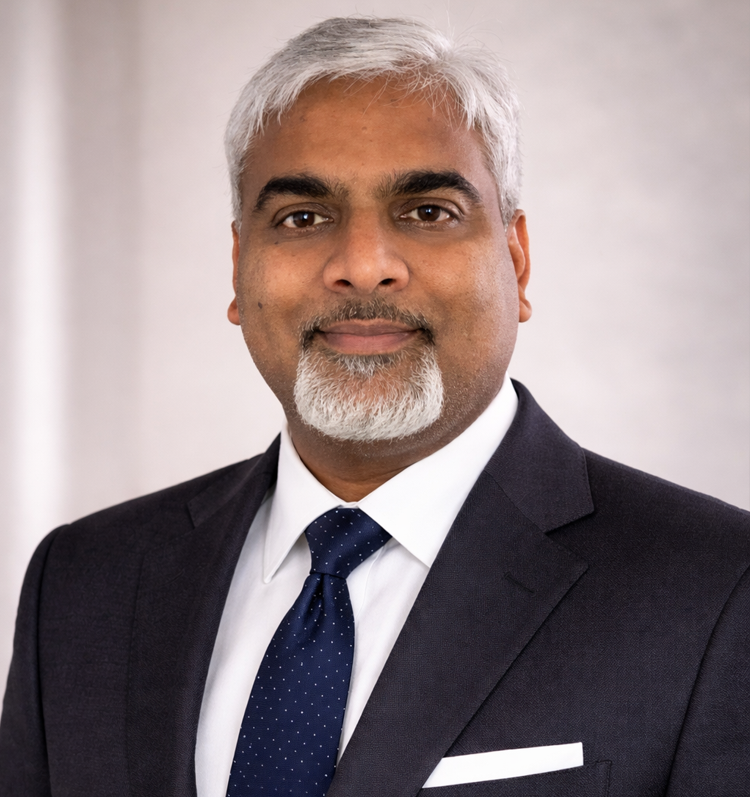
Dr. Sajid Baqai
Dr. Sajid Baqai received his degree in dentistry from Loma Linda University in 2015 and then completed 300+ hours of continuing education on Implantology with Dr. Arun Garg, a professor at The University of Miami. Dr. Garg is one of the foremost people in his field and is highly sought after for lectures all over the world. He constantly pursues continuing education in implants, conscious sedation, and full mouth reconstructions to improve the quality of life for his patients in a comfortable relaxed environment.
Learn More about Dr. Baqai
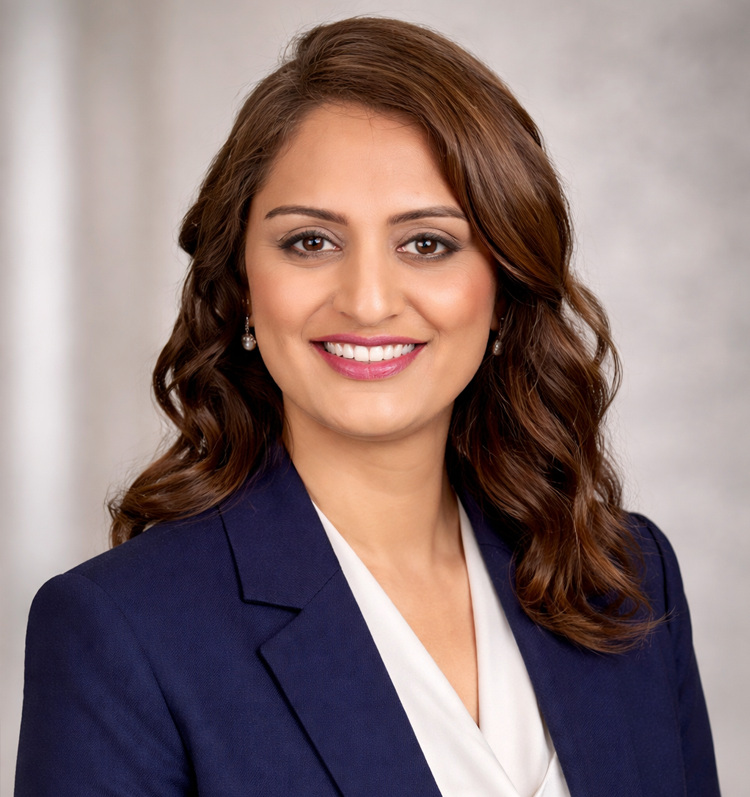
Dr. Shaimaa Baqai
Dr. Shaimaa Baqai is a dentist with a unique blend of artistry and dental expertise. Prior to her career in dentistry, she was greatly exposed to the world of drama and fashion by her grandmother. This experience gave her an eye for detail and an understanding of the importance of confidence and self-expression.
After transitioning to dentistry, Dr. Baqai earned her Doctor of Dental Surgery degree from the University of Buffalo School of Dentistry, where she combined her artistic flair with cutting-edge techniques to create beautiful, healthy smiles.
Learn More about Dr. Baqai

Hassle-Free Insurance Support
We work with many leading insurance providers to help you make the most of your benefits. Don’t see your plan listed? Give us a call—our team is happy to verify your coverage and guide you through your options.


Treat Now, Pay Later With

Apply to see how much you qualify for and what your payment plan options are.
No Paperwork
Superfast & Easy Approval
No Hard Credit Check
Stress-free to Apply
3,6,12,15 or 24 Monthly Payments
Learn More
