Walk-ins Welcome!


Oral Cancer Exams for a Healthier Smile
Oral cancer is a serious condition that affects thousands of people each year. Early detection is essential for improving survival rates, which is why regular oral cancer screenings are so important. At Detroit Dentist Your Smile Design Centre, we provide thorough screening services that help identify potential problems before they become life-threatening. A few minutes during your routine dental visit can make a major difference in your oral and overall health. Schedule your screening today to take proactive steps toward a safer, healthier smile.
What is Oral Cancer Screening
Oral cancer is a growing public health concern, with tens of thousands of new cases diagnosed annually in the United States. Early detection dramatically improves treatment outcomes, especially when cancer is found in its initial stages.
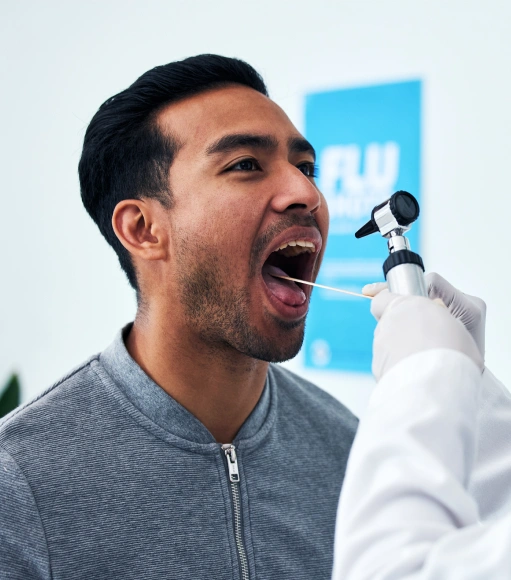
During an oral cancer screening, the dentist examines the mouth, throat, and surrounding tissues for any unusual growths, color changes, or tissue abnormalities. Areas of concern may be visually inspected and palpated to feel for lumps or irregularities. Individuals at higher risk, including tobacco users or those with a family history of oral cancer, may require more frequent screenings.
Call (313) 385-3900 to schedule your oral cancer screening today.
What to Expect During an Oral Cancer Screening
- Initial Consultation & Questions: Your dentist will ask about your medical history, lifestyle habits, and any symptoms such as persistent mouth sores, difficulty swallowing, or chronic hoarseness.
- Visual Examination: The mouth, tongue, gums, lips, palate, and throat are visually inspected for abnormal textures, color changes, or lesions.
- Palpation: Your dentist will gently feel your mouth and neck for lumps, bumps, or abnormal tissue growth. Lymph nodes may also be examined for swelling or tenderness.
- Advanced Screening Tools: Technologies like VELscope or ViziLite may be used to highlight tissue abnormalities not visible to the naked eye.
- Biopsy if Needed: If suspicious areas are found, a dental brush biopsy may be performed to collect cells for laboratory analysis.
- Referral for Treatment: Any abnormal findings will result in a referral to a specialist, such as an oral surgeon or oncologist, for further evaluation and care.
Signs and Symptoms of Oral Cancer
Early detection is critical. Watch for the following signs and contact Detroit Dentist Your Smile Design Centre if you notice:
- Mouth sores that don’t heal
- Red or white patches on the tongue or gums
- Unexplained oral bleeding
- Difficulty swallowing or speaking
- Chronic hoarseness or sore throat
- Lumps or thickening in the cheeks or neck
- Numbness or tingling in the mouth or tongue
- Loose teeth or ill-fitting dentures
At-Home Oral Cancer Screening
While professional screenings are essential, monthly self-exams can help detect changes early:
- Stand in front of a well-lit mirror and open your mouth wide.
- Feel the roof of your mouth, tongue, cheeks, and gums for lumps or bumps.
- Inspect the inside of your lips for sores or abnormal patches.
- Examine your throat and tonsils using a flashlight if needed.
- Check your neck and jaw for swelling or unusual lumps.
- Record any changes and consult your dentist promptly if abnormalities are found.
At-home screenings do not replace professional dental exams.
Advanced Screening Technologies: VELscope & ViziLite
- VELscope: Uses a special blue light to make healthy tissue fluoresce and highlight abnormal tissue. Painless and non-invasive.
- ViziLite: Uses a blue light with a special rinse to detect precancerous and cancerous lesions. Also non-invasive and safe during routine check-ups.
Dental Brush Biopsy
A dental brush biopsy collects cells from a suspicious oral area using a soft brush. The sample is sent to a lab to check for precancerous or cancerous changes. This minimally invasive procedure is often used for lesions that are difficult to see or monitor. In some cases, a follow-up biopsy may be required for confirmation.
Who is at Risk
Higher risk individuals include:
- Tobacco users
- Heavy alcohol consumers
- People with a family history of oral cancer
- Individuals with HPV exposure